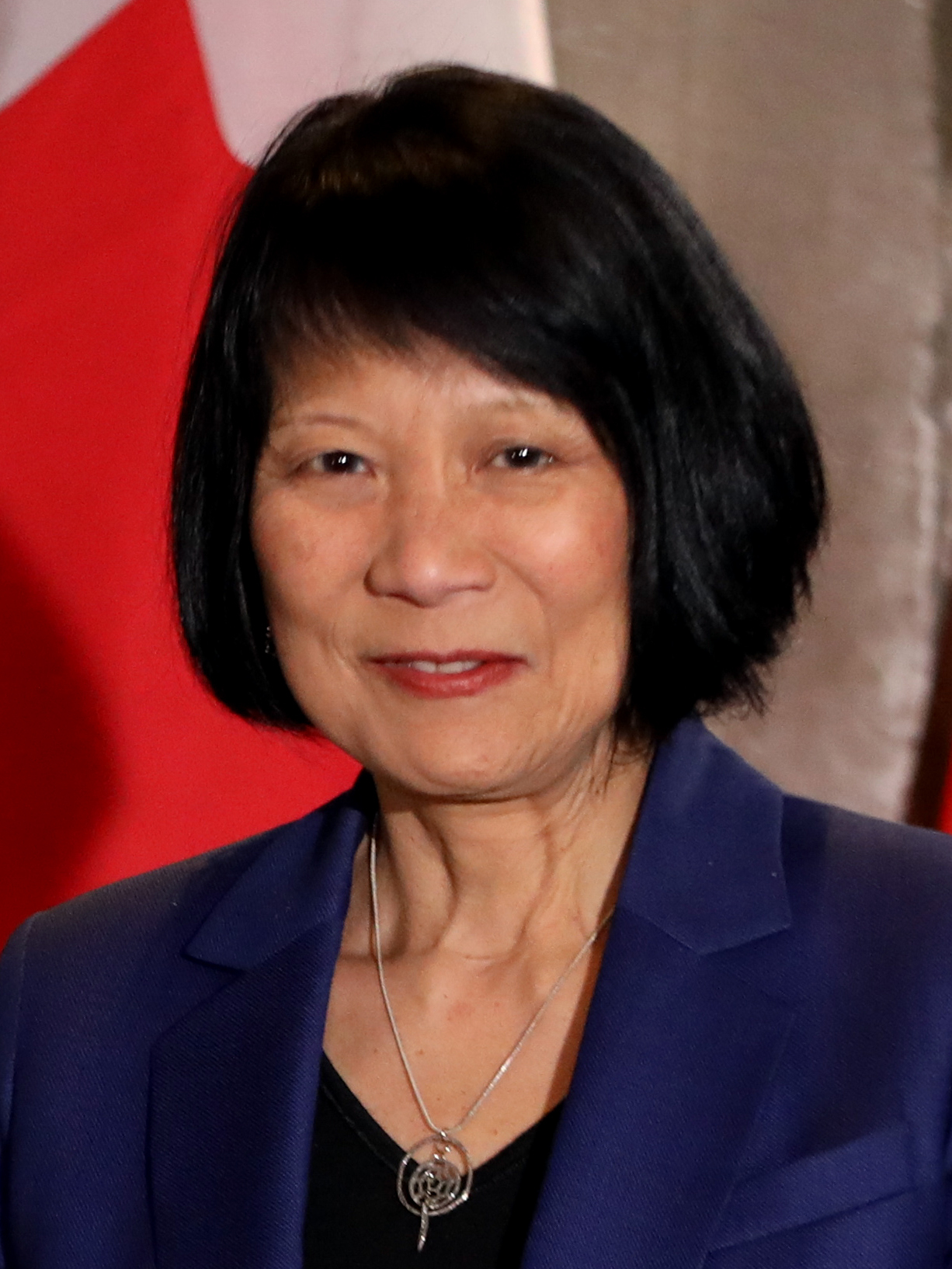
Incumbent mayor
Olivia Chow
Public services, rental housing and protected cycling routes.
Toronto municipal election · October 26, 2026
Voter information reviewed October 26, 2026. Candidate platform sources were reviewed October 25, 2026.
This guide compares five selected profiles, not the full mayoral field. It is independent, nonpartisan and does not endorse a candidate or recommend a personal choice. Toronto Elections — full certified candidate list.
Incumbent mayor
Public services, rental housing and protected cycling routes.
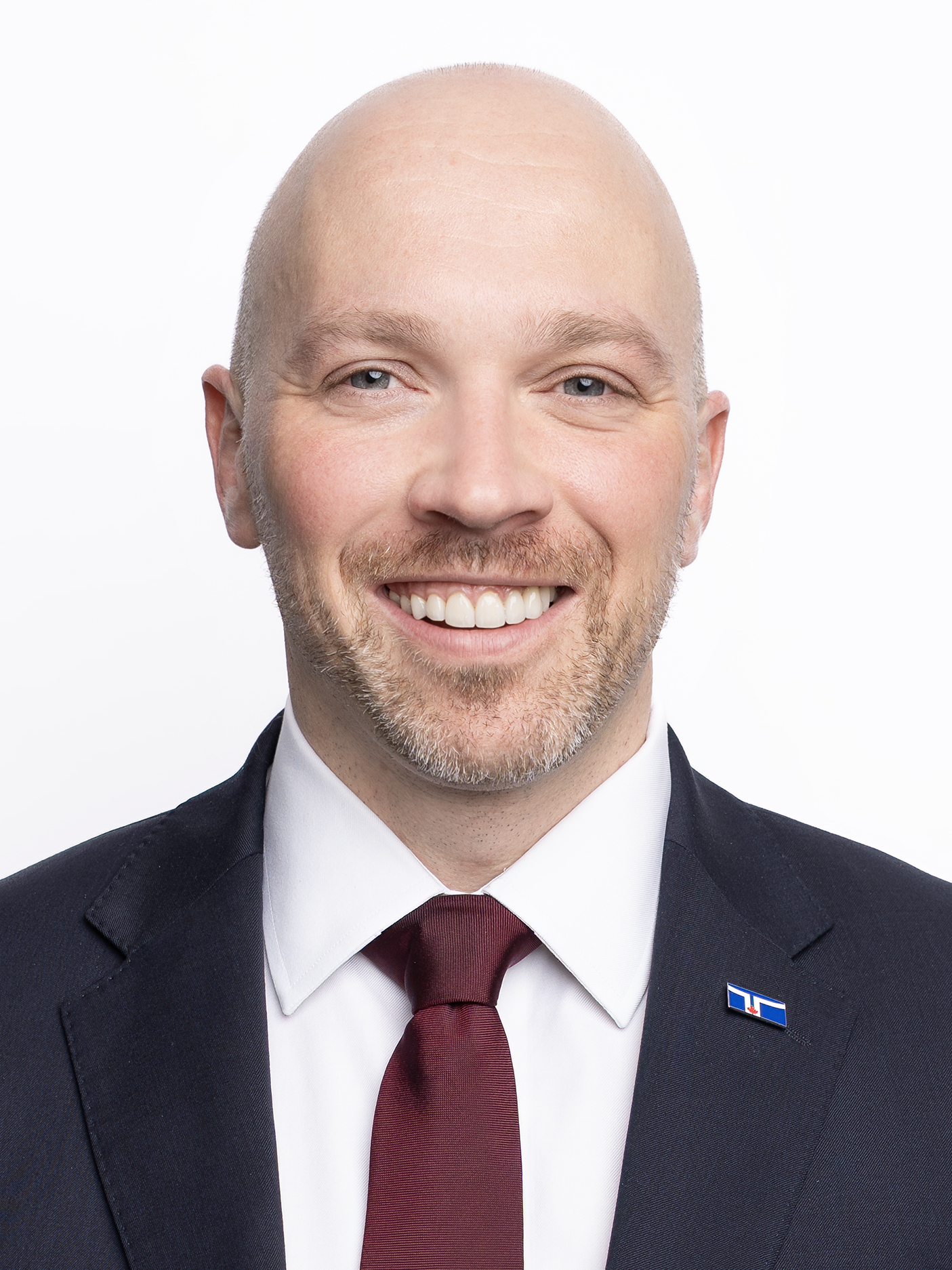
City councillor
Household costs, transport reliability and frontline policing.

Engineer & educator
Her campaign combines public-asset ownership, phased affordability programs, and local procurement.

Municipal & planning lawyer
Her campaign focuses on city approvals, reliable transit, small businesses, and supportive housing.
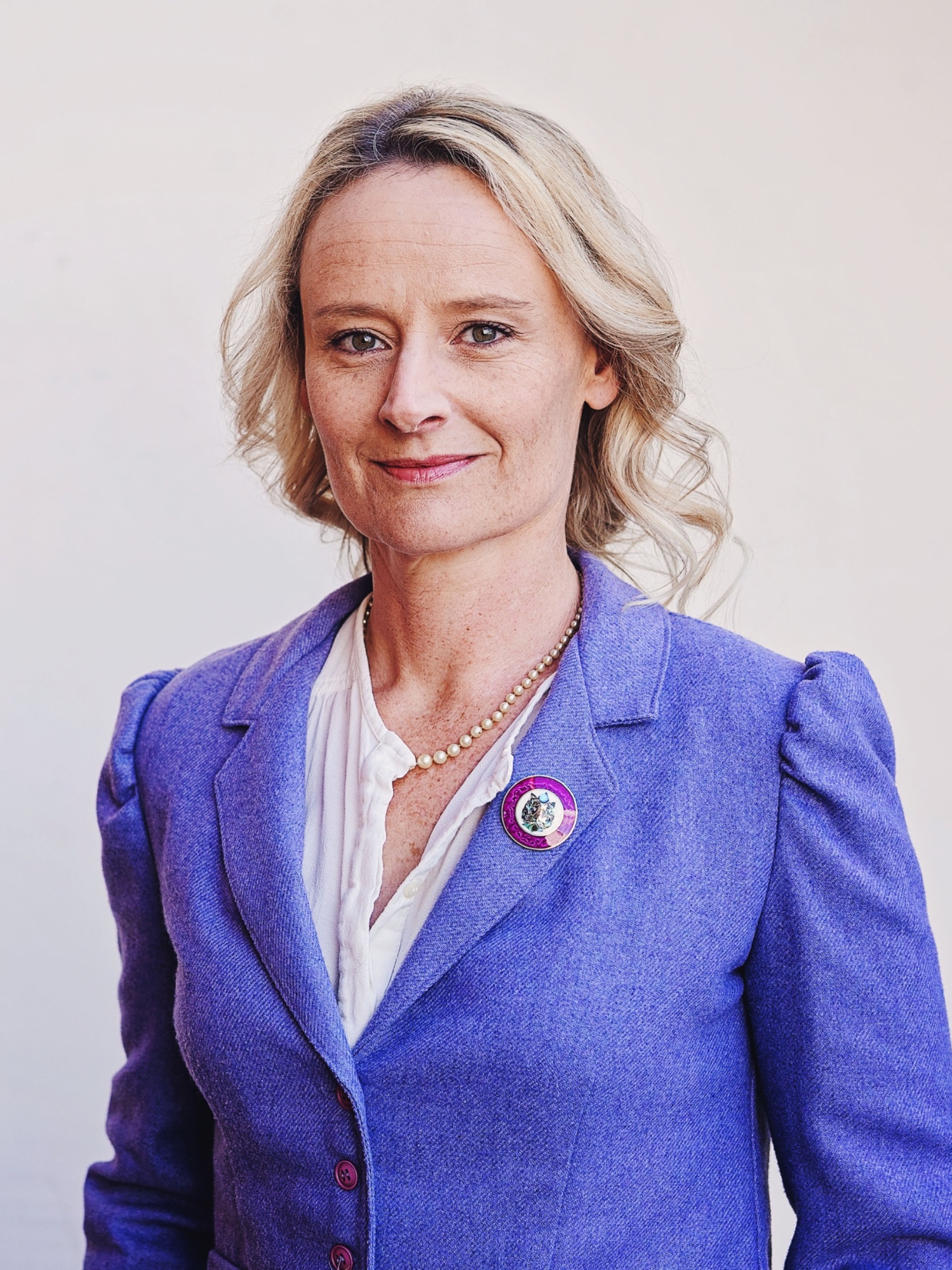
Actor, educator & community organizer
Her campaign emphasizes co-operative ownership, community-led planning, infrastructure, and public reporting.
Coverage is selective and based on the sources linked under each issue. Statements are labelled as records, campaign promises, analysis or unknown details. An unknown detail is not evidence of opposition. Compare sources and limitations; this page does not personalize recommendations.
Compare proposals about transit reliability, cycling routes and street design. A campaign position is not proof of completed work; the guide keeps commitments separate from records and analysis.
Published position or record: Supports preserving key lanes, rebuilding removed routes where possible, permanent upgrades, expanded Bike Share and maintenance that keeps the network usable through every season.
Question or limitation: Cycle Toronto reports 59.4 km of new and upgraded lanes against the city’s 100 km three-year target. Citywide delivery involves more than the mayor alone.
Sources: Cycle Toronto — 2026 candidate questionnaire · Cycle Toronto — 2022–2026 council cycling record
Published position or record: Proposes streetcar signal priority and a 15-minute TTC service guarantee, aiming to make delays and unreliable trips less disruptive for riders across the city.
Question or limitation: Plans to remove Bloor West lanes from South Kingsway to Resurrection Road, redirecting cycling investment to residential streets and trails rather than preserving that protected corridor.
Sources: Street Voices — Brad Bradford’s unedited answers · Brad Bradford — Bloor West and cycling-network proposal
Published position or record: She promises to defend major bike lanes, connect gaps beyond downtown, and improve winter clearing so the network works throughout the year.
Question or limitation: Concrete protection would be added during already scheduled reconstruction, not through new standalone contracts. That approach may limit how quickly missing links are completed.
Sources: Bahira Abdulsalam: Safe Streets
Published position or record: Her questionnaire prioritizes transit, walking, and cycling when street space is limited, alongside more frequent and reliable service on existing TTC routes.
Question or limitation: She favours completing approved projects and adding lanes with demonstrated demand or missing network links. That is a selective expansion policy, not blanket expansion.
Sources: Laura Dean: Build Canada answers
Published position or record: She supports safe bike lanes, transit signal priority, fewer slow zones, and feasible bus-priority lanes to improve everyday travel across different modes.
Question or limitation: Her library answer supports safe cycling infrastructure but provides no route-by-route delivery schedule or funding allocation. Network coverage and timing remain open questions.
Review statements about AI infrastructure, technology jobs and data centres. The scope of each position matters; a position about large facilities does not establish a candidate’s view of all AI businesses or jobs.
Published position or record: Supports pausing new large AI data-centre approvals until a citywide framework assesses impacts and local benefits. This is an infrastructure position, not opposition to all AI.
Question or limitation: A pause could delay proposed facilities while rules are developed. The questionnaire commitment does not establish the timeline, approval criteria or resulting employment effects.
Published position or record: Names permits, licences, payments and service requests as the priority for municipal technology investment. Better digital services could reduce administrative friction for residents and businesses.
Question or limitation: The reviewed questionnaire identifies service modernization, not a quantified AI-employment program. Staffing, budgets and implementation milestones would determine the actual technology outcome for the city.
Sources: Build Canada — Brad Bradford’s questionnaire answers
Published position or record: Her plan proposes city test projects and partnerships with universities, colleges, and innovation hubs, creating a potential route for local ideas into public services.
Question or limitation: The reviewed proposal does not specify an AI procurement budget, application process, or startup eligibility rules. A city testbed is not a guaranteed customer.
Published position or record: She identifies permits, licences, payments, and service requests as the priority for technology investment, with potential savings in service delivery and infrastructure maintenance.
Question or limitation: The documented priority is municipal service modernization. The reviewed answer does not specify an AI-employment program, dedicated startup grant, or guaranteed technology procurement opportunity.
Sources: Laura Dean: Build Canada answers
Published position or record: She proposes better real-time TTC data, digital displays at stops, and clearer performance reporting, helping residents understand service reliability and plan their journeys.
Question or limitation: These proposals concern service information and public reporting. The reviewed platform does not specify an AI-industry hiring initiative or dedicated technology-startup grant program.
Sources: Sarah McVie: Toronto Public Library answers · Sarah McVie: Campaign platform
Look at proposals for small businesses, taxes and opportunity. Check who qualifies for existing public programs and whether a stated benefit is a campaign promise or an adopted measure.
Published position or record: Council increased the small-business commercial-property tax discount from 15% to 20% for 2026. This is an adopted measure shared with Council and the Province.
Question or limitation: Eligibility is property-based, and commercial tenants should discuss the reduction with their landlord. The measure is not a general grant for startups or business owners.
Sources: City of Toronto — 2026 small-business property-tax relief · City of Toronto — small-business subclass eligibility
Published position or record: Targets 15,000 permanent youth jobs with private employers, with at least 30% of partner opportunities for equity-deserving youth and a public portal reporting hiring progress.
Question or limitation: These are partner-funded hiring targets, not 15,000 existing jobs or startup grants. Delivery depends on employer participation and publication of actual hires, not commitments alone.
Published position or record: She proposes smaller purchasing lots, lower contracting barriers, and neighbourhood incubators, aiming to make city work and workspace more accessible to local firms.
Question or limitation: The campaign qualifies local purchasing by what existing rules allow. The practical scope of preferential access would depend on those rules and implementation details.
Published position or record: She promises quicker licensing, clearer bylaw enforcement, and property-tax relief for small storefronts, aiming to reduce the practical barriers to operating locally.
Question or limitation: Her campaign proposes pressing the province on commercial rent rules. That part of the business plan depends on action beyond the mayor’s own authority.
Sources: Laura Dean: Campaign platform
Published position or record: She proposes co-operative grocery, cultural, and live-work spaces using underused public assets, aiming to keep more local activity and ownership within neighbourhoods.
Question or limitation: Affordable operations would depend on financing, conversion costs, and long-term management capacity. The ownership model alone does not establish that these spaces can sustain themselves.
Sources: Sarah McVie: Campaign platform
Compare rental supply, affordability and tenant protection proposals. Construction targets do not mean homes are completed or occupied; delivery depends on funding, approvals and time.
Published position or record: Promises additional rental construction and stronger action against problematic landlords, alongside continued renter protection. Her questionnaire presents these as priorities for another mayoral term.
Question or limitation: Construction pledges still need financing, builders and time before renters receive keys. A target for new starts is not proof of completed or occupied homes.
Published position or record: Proposes municipal land-transfer-tax relief on eligible principal-residence purchases up to the previous year’s average Toronto price, lowering an upfront cost for qualifying buyers.
Question or limitation: Investors and corporations still pay, and value above the threshold remains taxed. Renters do not directly receive this purchase rebate; it is not universal housing relief.
Sources: Brad Bradford — published platform and campaign costing
Published position or record: She proposes community land trusts, long leases, modular homes, and tenant legal support, combining longer-term housing supply with help for people facing eviction.
Question or limitation: Her plan acknowledges that housing construction, health services, and income supports require provincial or federal partners. A mayor cannot deliver the full package alone.
Sources: Bahira Abdulsalam: Housing
Published position or record: She targets departmental coordination and development agreements that delay construction, while prioritizing rental, affordable, and family-sized housing through the city approvals process.
Question or limitation: Her questionnaire directs the greatest density increases toward major streets and rapid transit. That limits the breadth of growth compared with wider neighbourhood upzoning.
Sources: Laura Dean: Campaign platform · Laura Dean: Build Canada answers
Published position or record: She proposes releasing unused city buildings into co-operative ownership, working with residents, non-profits, and land trusts to create housing with lasting affordability.
Question or limitation: The reviewed answer does not establish how many buildings are suitable for conversion or provide a funded construction schedule. Public ownership does not equal ready housing.
Examine funding, operating costs and service delivery. Published campaign costings are estimates; compare them with adopted budgets and note unresolved funding questions.
Published position or record: The adopted 2026 budget funded a third TTC fare freeze and expanded library access, with a combined 2.2% residential property-tax and City Building Fund increase.
Question or limitation: The City still identifies softening revenues, inflation and transit and emergency-service pressures. Recent support does not remove the need for future funding and budget decisions.
Published position or record: Promises a one-year City property-tax-rate freeze and a 25% water reduction on the first $1,500 of annual charges. These remain proposed, not current rates.
Question or limitation: The plan shifts some capital funding to borrowing and relies on savings and a water-utility dividend. Those financing assumptions need scrutiny alongside the proposed bill reductions.
Sources: Brad Bradford — published platform and campaign costing
Published position or record: She publishes phased spending estimates and says new programs begin only when funding is secured, giving residents explicit assumptions to examine before delivery.
Question or limitation: Her campaign estimates that a future budget review must find $128–390 million for first-year commitments. Those savings are assumptions, not identified funds.
Published position or record: She proposes reviewing programs for value and making major-event organizers pay road-closure and policing costs, aiming to connect spending more clearly with public benefit.
Question or limitation: She selects below-inflation growth in property-tax revenue. That choice requires service restraint or alternative funding, rather than providing the same purchasing power automatically.
Sources: Laura Dean: Campaign platform · Laura Dean: Build Canada answers
Published position or record: She proposes a service review, public performance dashboards, stormwater fees, and a higher vacant-home tax, seeking broader revenue sources and clearer accountability.
Question or limitation: Her two-year property-tax freeze relies on savings and alternative revenues. The platform does not establish their combined net yield or a fully reconciled budget.
Sources: Sarah McVie: Campaign platform
Compare prevention, policing and community-service proposals. Spending commitments are not guaranteed outcomes; measures and results would need to be reported.
Published position or record: Proposes $28 million over four years for youth violence prevention, mentorship and jobs, including support for younger children through recreation and arts programs.
Question or limitation: The proposal is a spending commitment, not a guarantee of fewer violent incidents. Delivery, participation and outcomes would need reporting to demonstrate its effectiveness.
Published position or record: Proposes 1,000 additional frontline officers over his first term, with attention to transit and public spaces, alongside community prevention and support for people in crisis.
Question or limitation: His campaign estimates about $143 million annually at full strength in year four, funded through future budgets. Recruitment and training also affect whether the target is achievable.
Sources: Street Voices — Brad Bradford’s unedited answers · Brad Bradford — published platform and campaign costing
Published position or record: She proposes violence interruption, youth outreach, crisis response, and clearer police-spending outcomes, combining prevention with enforcement rather than relying on a larger budget alone.
Question or limitation: Her financial plan acknowledges that holding police spending steady would slow planned officer hiring, because labour costs consume most of the police budget.
Sources: Bahira Abdulsalam: Freeze and Reinvest · Bahira Abdulsalam: Money & Taxes
Published position or record: She proposes TTC officers with de-escalation and mental-health experience, deployment informed by incident data, and housing solutions so transit is not a substitute shelter.
Question or limitation: The reviewed library answer does not state the number of additional TTC officers, their cost, or a recruitment schedule. Delivery would need those specifics.
Published position or record: She supports more TTC special constables, clearer public education about their role, and youth programs that build skills and connection within local communities.
Question or limitation: Her published answers do not specify staffing numbers, program budgets, or near-term outcome targets. Those details would make the safety commitments easier to assess.
Sources: Sarah McVie: Street Voices answers
Candidate platform sources reviewed October 25, 2026; voter guides reviewed October 26, 2026. Source notes distinguish campaign statements, public records, third-party analysis and questions that remain open.
For a correction, email asklolaai@gmail.com. Please share a source URL and the wording to review; do not include an address or voting preference.